
Summary: A convicted benefits fraudster linked to a £54m Universal Credit scam says she is back on taxpayer-funded support after leaving prison early, while the Department for Work and Pensions confirms it is reviewing the award. The case is reigniting anger over enforcement, deportation delays and Britain’s soft-touch reputation.
A £54m fraud case returns to the headlines
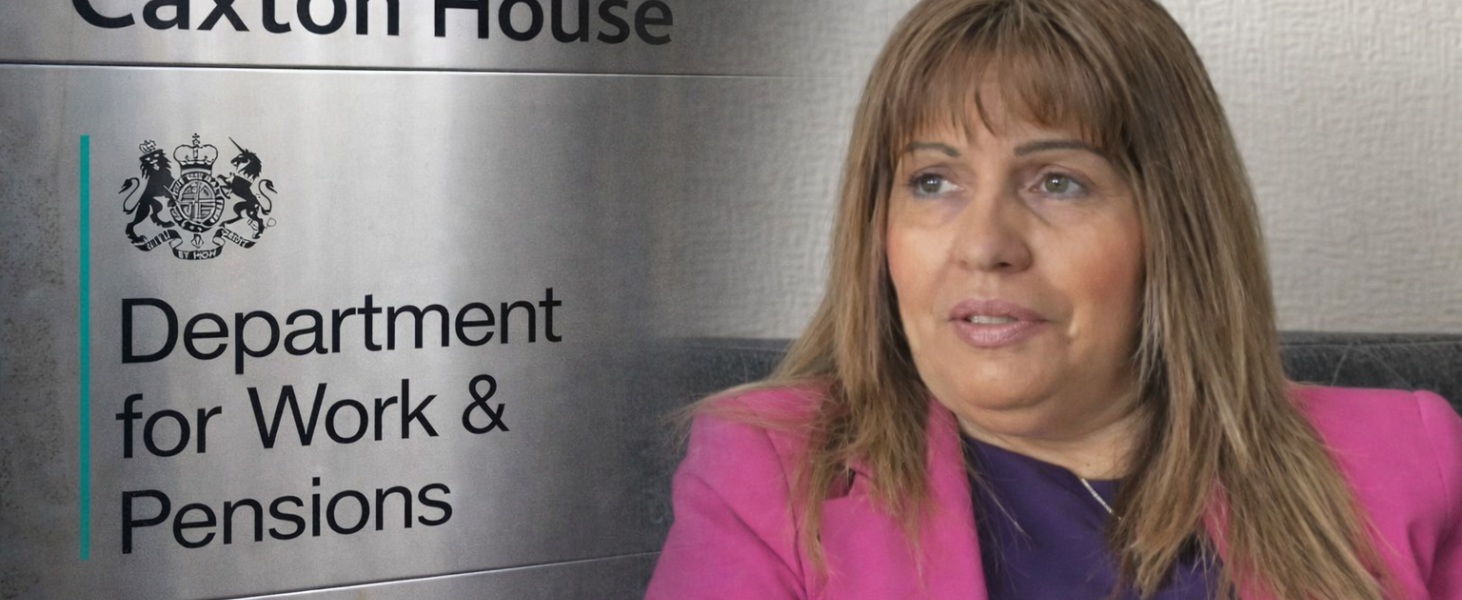
A Bulgarian national convicted for her role in what prosecutors described as an organised Universal Credit fraud has claimed she is now receiving benefits again after being released from jail.
Tsvetka Todorova, 54, was sentenced in 2024 to three years’ imprisonment for offences connected to a gang that stole £54 million from the public purse.
She has since returned to London and is on immigration bail while deportation action is pursued.
“I do not want to leave Britain”
In media interviews, Todorova described her intention to fight removal and discussed benefit payments in her household.
“I do not want to leave Britain. My family is here. I love it here, it is good and has helped me.”
“I’ve been back on benefits since December 30… My husband gets over £1,000 for Universal Credit – I think it’s £1,300 – and he gets more as well.”
The DWP has said it is now reviewing the decision to award Universal Credit in her case.
Prison described as a “vacation home”
Todorova also spoke publicly about her time in HMP Bronzefield, portraying custody as comfortable and well-serviced.
“Living conditions in the prison are very good. I never felt like I was in a prison… There is a gym inside. There is a hair salon, I got a manicure there.”
For ordinary working taxpayers, that kind of testimony lands like a slap. Justice is meant to punish wrongdoing and deter others, not sound like a budget wellness retreat.
How the gang operated
Investigators said the group used thousands of identities to submit false Universal Credit claims, including details linked to people who were not living in the UK.
This wasn’t “a little fiddle”. It was industrial-scale fraud, enabled by weak checks and the reality that once money is moved abroad, recovery is brutally hard.
DWP review and the deportation question
A Government spokesman said the state is pursuing recovery of stolen funds and warned of further prison if repayment orders are ignored.
“This was a disgraceful crime against the British public, and we are taking rigorous action to recover the stolen funds… In the case of Ms Todorova, we are currently reviewing the decision to award her Universal Credit.”
The bigger political issue is what happens next: deportation must be swift, lawful, and real, not an endless loop of appeals and delay.
Political fallout: soft-touch Britain meets hard reality
Cases like this are rocket fuel for Reform UK’s argument that the system is too easily exploited, too slow to remove offenders, and too timid about border control.
Labour talks tough on “cracking down”, but voters keep seeing the same pattern: weak enforcement, long waits, and public confidence draining away.
If ministers want credibility, the standard is simple: stop repeat access to taxpayer support for serious fraudsters, tighten eligibility checks, and remove foreign offenders quickly once sentences end.
Britain helps US seize Russian-linked tanker in bold North Atlantic operation

- RAF surveillance aircraft and UK airbases directly supported US special forces during the seizure of the sanctioned Russian-linked tanker in Icelandic waters.
- The operation risked direct confrontation with Russian military assets, including a submarine operating nearby in the North Atlantic.
- Russia condemned the seizure as illegal, while the UK and US say it was necessary to enforce sanctions against shadow-fleet oil smuggling.
British forces quietly backed a high-risk US operation to seize a sanctioned oil tanker linked to Russia, in a move that has sharply escalated tensions with Moscow.
The vessel, Marinera, formerly known as Bella 1, was intercepted in Icelandic waters after a two-week pursuit by the US Coast Guard. British involvement included RAF surveillance aircraft and logistical support from UK airbases, confirming Britain’s direct role in enforcing sanctions against Russia’s so-called “shadow fleet”.
US special forces boarded the tanker amid reports of Russian military assets nearby, including a submarine. The operation carried the real risk of a direct confrontation between NATO forces and Moscow in the North Atlantic.
Russia’s transport ministry later confirmed it had lost contact with the vessel and condemned the seizure as a “violation of international law”.
The operation signals a tougher stance from the administration of Donald Trump, contradicting claims that Washington is softening toward the Kremlin. US officials said the tanker had defied a naval blockade linked to Venezuela and was engaged in sanctioned oil transfers.
Britain’s Defence Secretary John Healey confirmed RAF aircraft were involved, including a Poseidon MRA1 maritime patrol plane that was tracked over the North Atlantic before switching off its transponder.
The Ministry of Defence said UK forces provided “pre-planned operational support” following a US request, highlighting the depth of the UK-US defence relationship.
Healey described the vessel as part of a “Russian-Iranian axis” that funds conflict and instability from Ukraine to the Middle East, adding that Britain would step up action against sanctions evasion to protect national security.
At the White House, press secretary Karoline Leavitt said the US would not hesitate to enforce embargoes against illegal oil shipments. Homeland Security Secretary Kristi Noem warned the seizure should “put the world’s criminals on notice”.
Russian media reacted furiously, with commentators warning the incident could push relations closer to open conflict. State broadcaster RT released footage of US helicopters hovering over the tanker during the boarding.
The seizure comes amid wider concerns over NATO’s future and rising global tensions as Washington asserts control over energy routes and sanctions enforcement.
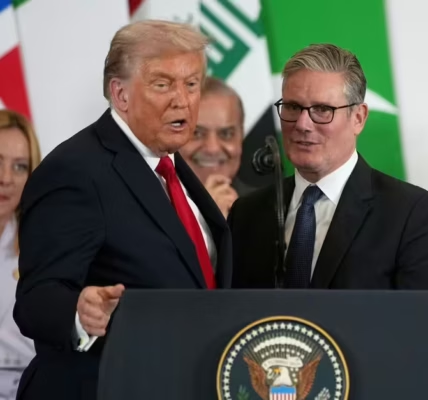
Starmer in Arctic Troop Talks as NATO Scrambles to Calm Trump Over Greenland

Summary: Downing Street has held early talks with European allies about boosting security in the Arctic, including a potential NATO-backed presence in Greenland, amid President Donald Trump’s claims the island is vulnerable to Russian and Chinese pressure.
UK and allies explore a stronger Arctic posture
UK officials have been in discussions with European counterparts about how NATO could reinforce security around Greenland, the strategically placed Arctic territory that is self-governing but part of the Kingdom of Denmark.
The talks, reported as being at an early stage, include ideas ranging from a more permanent troop presence to time-limited exercises, enhanced surveillance, intelligence sharing, and capability development.
Why Greenland has become the new flashpoint
Greenland’s location gives it outsized importance for North Atlantic and Arctic defence planning, particularly as polar routes and military access become more contested.
It is also rich in minerals linked to modern supply chains, including rare earths used in advanced technology, adding an economic dimension to the security debate.
Trump’s pressure and NATO’s dilemma
President Trump has framed Greenland as a national security issue, arguing Washington cannot accept a growing Russian or Chinese footprint in the region.
“We’re not going to have Russia or China as a neighbour.”
He has also suggested the US could pursue control of the island by agreement, and has not ruled out more coercive options, creating a serious political strain inside an alliance built on mutual trust and sovereignty.
Starmer’s message: deterrence, but through NATO
Government sources have indicated the Prime Minister views Russia’s Arctic posture as a genuine concern, and that the UK wants any enhanced presence to sit under NATO’s collective framework rather than unilateral moves.
“We share President Trump’s view… Russia’s growing aggression… must be deterred.”
Officials have stressed that discussions are ongoing and that the UK would not pre-empt NATO’s formal decision-making.
What a mission could look like in practice
Options described in reporting include a mix of personnel, naval patrols, and air assets, alongside training deployments and upgraded monitoring of Arctic approaches.
Separately, the UK has already been increasing its cold-weather readiness with Arctic-focused training, including Royal Marines deployments to Norway as part of NATO activity. This sits within a wider push among allies to prove they can operate in harsh conditions and reinforce the “High North” quickly.
European leverage: money, sanctions, and basing threats
European capitals are also looking at ways to discourage US escalation by offering Trump a “win” on burden-sharing: more European capability in the Arctic, paid for and staffed by Europeans, under NATO branding.
Some reports suggest the European Union has discussed retaliatory economic measures if Washington rejects a NATO-based compromise, including potential restrictions on major US firms operating in Europe. Such ideas, if pursued, would represent an unusually sharp turn in transatlantic politics.
The awkward question: can Britain actually deliver?
Alongside the diplomatic manoeuvring sits a practical concern: whether the UK can sustain meaningful high-end deployments while managing stretched forces and competing priorities.
Retired senior officers and defence analysts have recently warned that capability gaps and procurement problems risk widening the gap between political promises and military capacity, especially in demanding environments like the Arctic.
What happens next
NATO military planners are expected to examine what additional steps could be taken to reinforce Arctic security, while US and Danish diplomacy continues, including planned high-level meetings in the coming days.
For Starmer, the political balancing act is clear: reassure an unpredictable White House, avoid humiliating Denmark, and keep NATO unified, all while proving the UK can still pull its weight where it counts.