
Ed Miliband’s commitment to making Britain net zero by 2050 risks costing the country billions of pounds more than necessary, a government body has warned. Damning analysis by the National Energy System Operator (NESO) found that the Energy Secretary’s plans to drastically cut carbon emissions could cost £350 billion more than a more gradual approach. It means the UK could be saving £14 billion a year if not bound to the 2050 target, The Times reports.
Mr Miliband has been criticised by the Conservative Party over the findings, which also suggest that additional net zero costs could reach a premium of over £40 billion in the coming decade.
Shadow energy secretary Claire Coutinho said: “For years, the public have been told the lie that net zero means cheaper energy. This report shows the truth – rushing to net zero is forecast to make our energy system £350 billion more expensive than going slower.”

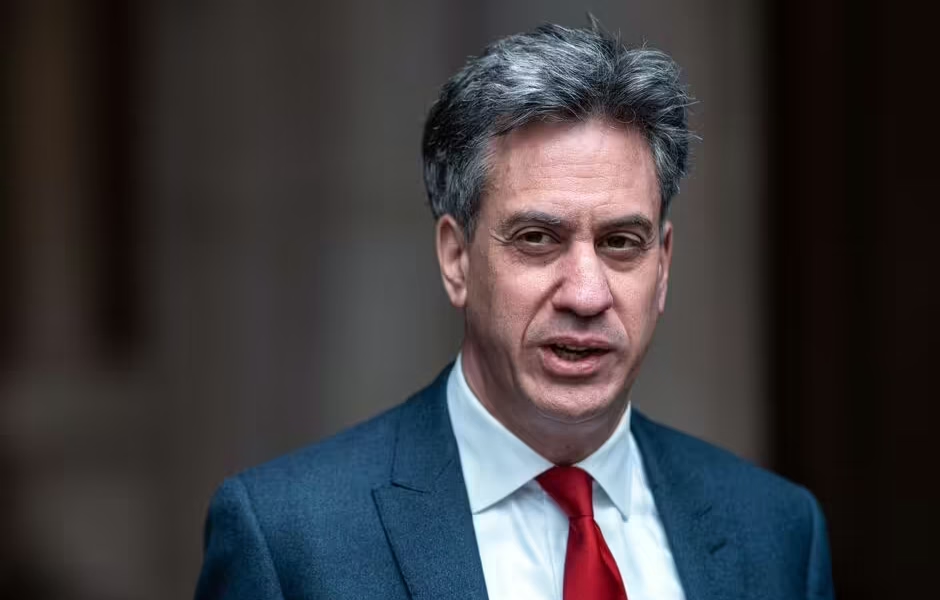
Labour has been warned that its rapid net zero plans risk spending unnecessary cash (Image: Getty)
The NESO report also said the premium could rise to an average of £19 billion a year over the next 25 years if gas prices fell below the government’s current forecasts.
The government body contrasted scenarios based on Mr Miliband’s plans to achieve clean power by 2030 and reduce UK emissions by 87% from 1990 levels by 2040 – including through heat pump installation – with a continutation of the country’s existing, more measured approach towards decarbonisation.
The latter would not be enough to meet net zero but could see energy-related costs fall by around half by 2050, it concluded. While both approaches would bring costs down over the next 25 years, Labour’s net zero drive could significantly hike costs in the short-term, according to NESO.
The body said these rises did “not represent the cost of achieving net zero emissions” because the situations modelled “do not represent the cheapest way of achieving net zero”.
It added that modelling did not include the costs of carbon taxes because they “represent a transfer from businesses to the exchequer, rather than an additional cost to the economy”.
“The decarbonisation pathways involve a shift from spending on imported fuels to investment in Great Britain’s renewables, networks and more efficient electric heating systems,” a spokesperson continued.
“As well as unlocking reduced operating spending, this investment can bring local economic opportunities and support new jobs, alongside the opportunity for improved air quality and health outcomes.”
A spokesperson for the Department of Energy Security and Net Zero said: “We fundamentally reject the idea that these illustrative scenarios accurately reflect the cost of moving to clean energy, which has enormous benefits in bringing down bills for good, energy security and securing well-paid, skilled jobs.
“They do not reflect or predict the cost of net zero, recognising the likely path is highly dependent on future fuel prices and the advancing pace of private sector roll-out of net zero technologies.”