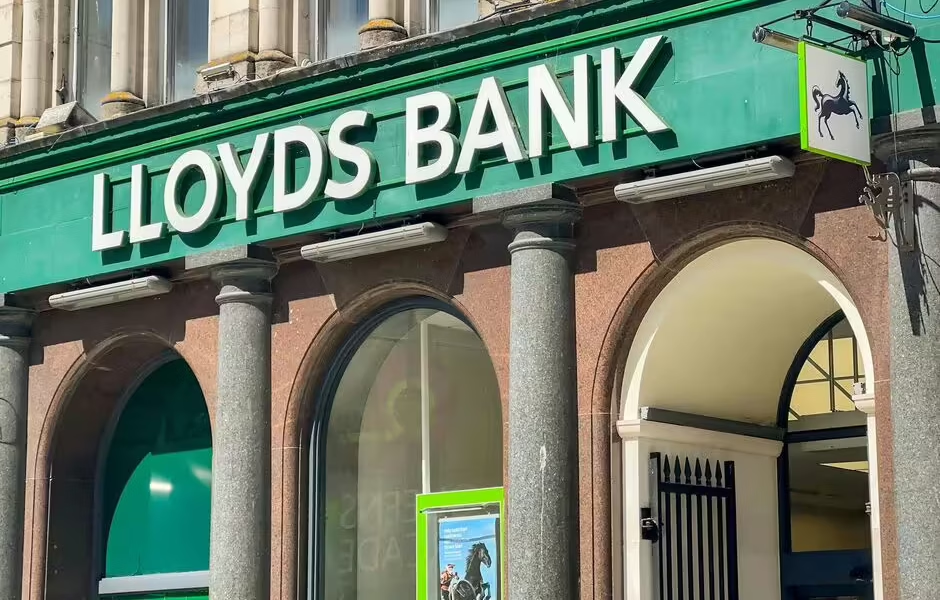

Lloyds Bank has issued a warning for the new year, as 2025 saw thousands lost to a certain scam. The banking group pointed out one kind of scam that took off in 2025, and it is expected to do the rounds again in 2026. New figures show that fraud cases were dominated by ticket scams this year. 2025 saw massive festivals and concerts take place, from Oasis’ reunion tour to Glastonbury.
These sorts of in-demand events provide prime opportunities for scammers to rob desperate fans of their money. Lloyds reports that over 90% of Oasis ticket scams originated on a Meta-owned platform such as Facebook or Instagram. Victims lost an average of £436 each, around £200 more than the average concert ticket scam. Meanwhile, the biggest amount lost in a single case was more than £1,700.
“Scammers then struck through dodgy social media posts, fake websites, and online marketplaces.”
She added: “I’m still telling everyone to watch out for ticket scams. As one of the top things we get fraud reports about, and with major events like the FIFA World Cup and gigs from Calvin Harris and Robbie Williams coming up, scammers will be out in force.
“Buying from authorised platforms is the only way to guarantee a genuine ticket, and if you’re approached on social media or asked to pay by bank transfer, it’s very likely to be a scam.”
While ticket fraud was one of the most top-reported scams to Lloyds in 2025, it didn’t take the number one spot. According to Lloyds, the most reported purchase scams this year were:
- Vehicle and vehicle accessories
- Ticket scams
- Clothes and accessories
- Personal items (e.g. perfume, hair extensions)
- Driving lessons and tests
Liz added: “My message remains that social media is where people are at greatest risk, as these platforms are infested with fraudsters and scam content.
“Our data shows around seven in 10 online shopping scams start on Meta-owned platforms, so these companies must act urgently to protect users, remove scam ads and stop profiting from fraud. Only by working collaboratively across the private and public sectors can we make real progress in the fight against fraud.”